
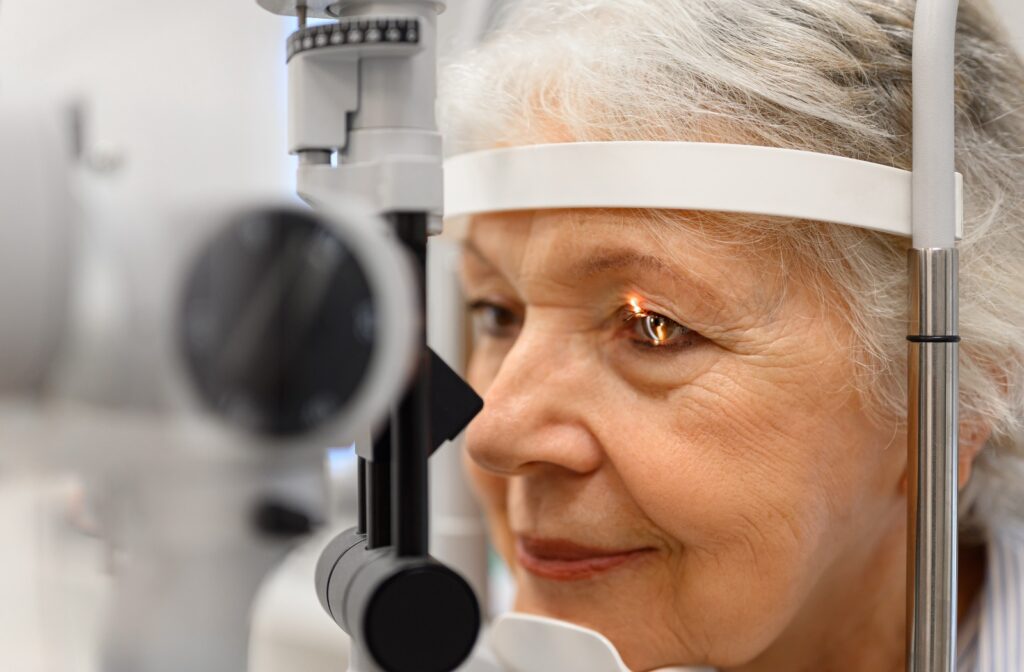
The Important Role of Dilated Eye Exams (DFE) and OCT Retinal Imaging
Many patients living with diabetes are surprised to learn that diabetic eye disease can develop silently for years before affecting vision noticeably.
One of the most common things I hear in clinical practice is:
“But doctor, my vision seems perfectly fine.”
Unfortunately, diabetic retinopathy does not always cause symptoms in its early stages. A person may still read well, drive comfortably, and function normally while subtle retinal damage is already beginning to develop.
That is why comprehensive diabetic eye examinations are so important.
At Alcona Eyecare Centre in Innisfil, Ontario, we place strong emphasis on thorough diabetic retinal evaluations using both Dilated Fundus Examination (DFE) and Optical Coherence Tomography (OCT) imaging to help detect changes as early as possible.
As someone with prior ophthalmology training before transitioning fully into optometry, I have seen firsthand how early detection can make a significant difference in protecting long-term vision.
Diabetes and the Eyes: What Many Patients Do Not Realize
Diabetes affects blood vessels throughout the body, including the delicate vessels that nourish the retina — the light-sensitive tissue at the back of the eye responsible for vision.
Over time, elevated blood sugar levels can weaken these tiny retinal blood vessels, leading to:
- bleeding within the retina,
- leakage of fluid,
- retinal swelling,
- poor oxygen supply,
- and in advanced cases, permanent vision loss.
This condition is known as diabetic retinopathy.
In some patients, swelling develops in the central retina (the macula), a condition called diabetic macular edema, which can directly affect reading and central vision.
The concerning part is that these changes can begin quietly and progressively without noticeable symptoms early on.
Why a Dilated Eye Examination Matters
During a diabetic eye examination, one of the most important components is the Dilated Fundus Examination (DFE).
Special eye drops are used to enlarge the pupils so the retina and optic nerve can be examined much more thoroughly.
Many retinal findings are easier — and sometimes only possible — to detect properly when the eyes are dilated.
This allows us to carefully assess:
- retinal blood vessels,
- early bleeding,
- microaneurysms,
- retinal swelling,
- macular changes,
- and signs of diabetic retinopathy progression.
At our clinic, we frequently encounter diabetic patients who have gone several years without a dilated retinal examination because they assumed their eyes were healthy due to having good vision.
Unfortunately, diabetic eye disease does not always give early warning signs.
The Value of OCT Retinal Imaging
Modern eye care has advanced tremendously over the years, and one technology that has become extremely valuable in diabetic eye management is Optical Coherence Tomography (OCT).
OCT imaging provides highly detailed cross-sectional scans of the retina using light waves. It allows us to visualize the microscopic layers of the retina in remarkable detail.
In many cases, OCT can detect subtle retinal swelling long before it becomes visible to the patient.
At Alcona Eyecare Centre, OCT imaging helps us evaluate:
- diabetic macular edema,
- fluid accumulation,
- retinal thickening,
- structural retinal damage,
- and early changes that may not yet affect visual acuity.
One of the advantages of OCT is that it also helps monitor progression over time. Comparing scans year after year can reveal small but important changes that might otherwise go unnoticed during a routine examination alone.
In clinical practice, I have seen patients with relatively good vision whose OCT scans revealed significant retinal swelling requiring urgent referral and management.
This is one reason why relying solely on “how well you see” can sometimes be misleading.
Early Detection Can Protect Vision
The good news is that vision loss from diabetic eye disease is often preventable when detected early.
Routine diabetic eye examinations allow:
- earlier diagnosis,
- closer monitoring,
- timely referrals when necessary,
- and better long-term visual outcomes.
This is especially important because diabetic retinopathy often progresses gradually.
By the time vision becomes noticeably blurred, retinal damage may already be more advanced.
Who Should Have Diabetic Eye Exams?
Patients with:
- Type 1 diabetes,
- Type 2 diabetes,
- pre-diabetes,
- gestational diabetes history,
- or long-standing elevated blood sugar levels
should have regular comprehensive diabetic eye examinations.
Even patients whose diabetes appears “well controlled” should still be monitored routinely.
A Comprehensive Approach to Eye Health
At Alcona Eyecare Centre, our goal is not simply to determine whether glasses are needed.
We believe diabetic eye care should be proactive, detailed, and preventative.
Depending on the patient’s needs, diabetic eye assessments may include:
- comprehensive eye examination,
- dilated retinal evaluation,
- OCT retinal imaging,
- retinal photography,
- visual field testing,
- and communication with family physicians or specialists when appropriate.
Because diabetes can affect multiple systems in the body, collaborative care is extremely important.
Frequently Asked Questions
If my vision is good, do I still need a diabetic eye exam?
Yes. Many patients with early diabetic retinopathy still see clearly and may not notice symptoms initially.
Why do my eyes need to be dilated?
Dilation allows a much wider and clearer view of the retina, helping detect retinal bleeding, swelling, and early diabetic changes more accurately.
What does OCT imaging show?
OCT provides detailed cross-sectional scans of the retina and can detect microscopic swelling and retinal changes that may not yet affect vision.
How often should diabetics have an eye exam?
Most diabetic patients should have a comprehensive diabetic eye examination at least once yearly, though some patients may require more frequent monitoring depending on retinal findings.
Protecting Your Vision for the Future
Diabetes can affect the eyes quietly and gradually, which is why early detection remains one of the most important aspects of diabetic eye care.
A comprehensive diabetic eye examination that includes both DFE and OCT imaging can provide critical information about retinal health long before noticeable symptoms develop.
If you are living with diabetes or elevated blood sugar levels and are due for an eye examination, we encourage you to schedule a diabetic eye assessment at Alcona Eyecare Centre in Innisfil.
Protecting your vision begins with early detection.